

Blockchain technology has evolved far beyond cryptocurrency. In 2025, it stands as a powerful digital infrastructure transforming industries like education, healthcare, and finance. With its transparency, security, and decentralization, blockchain is redefining how institutions store data, manage transactions, and build trust. As global industries adopt blockchain, we’re witnessing a new era of digital innovation and economic efficiency.
1. Blockchain in Education: Ensuring Transparency and Trust
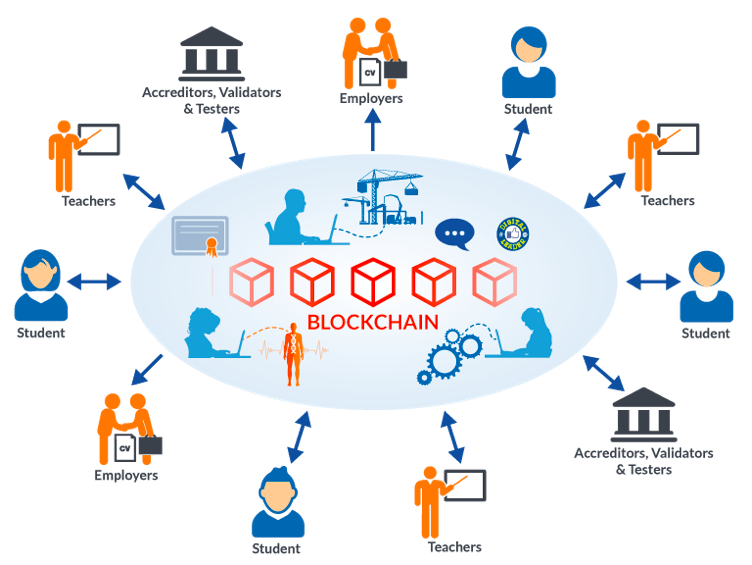
The education sector is embracing blockchain to solve long-standing challenges like degree verification, credential fraud, and data security. Through blockchain, universities and online platforms can issue digital diplomas that are immutable and instantly verifiable. This eliminates the risk of fake certificates while making international student transfers more efficient. Blockchain also enables smart contracts for tuition payments and course registrations, ensuring faster, error-free processing.
2. Academic Credentials and Lifelong Learning Records
Blockchain allows individuals to maintain a permanent, tamper-proof record of their academic achievements. Instead of relying on centralized databases, students can store their credentials in digital wallets accessible worldwide. As the demand for online learning and remote education grows, blockchain ensures that every learner’s record remains authentic and universally accepted — a huge step forward in global education reform.
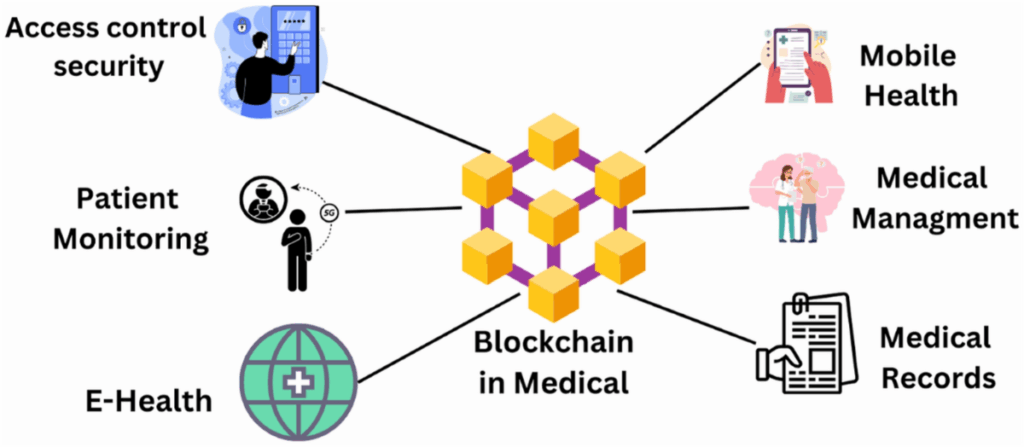
3. Blockchain in Healthcare: Data Integrity and Patient Privacy
Healthcare systems often face issues with data breaches, inconsistent medical records, and high administrative costs. Blockchain provides a secure solution by allowing encrypted patient data to be stored and shared across healthcare providers without compromising privacy. Every update to a patient’s file is recorded immutably, ensuring complete traceability and compliance with data protection laws such as HIPAA and GDPR.
4. Improving Medical Research and Pharmaceutical Supply Chains
Beyond patient data, blockchain is enhancing medical research transparency and drug traceability. By recording every stage of clinical trials on blockchain, researchers can reduce fraud and ensure data accuracy. In pharmaceutical supply chains, blockchain ensures that medicines are authentic, traceable, and safely delivered, minimizing the risks of counterfeit drugs — a billion-dollar global issue.
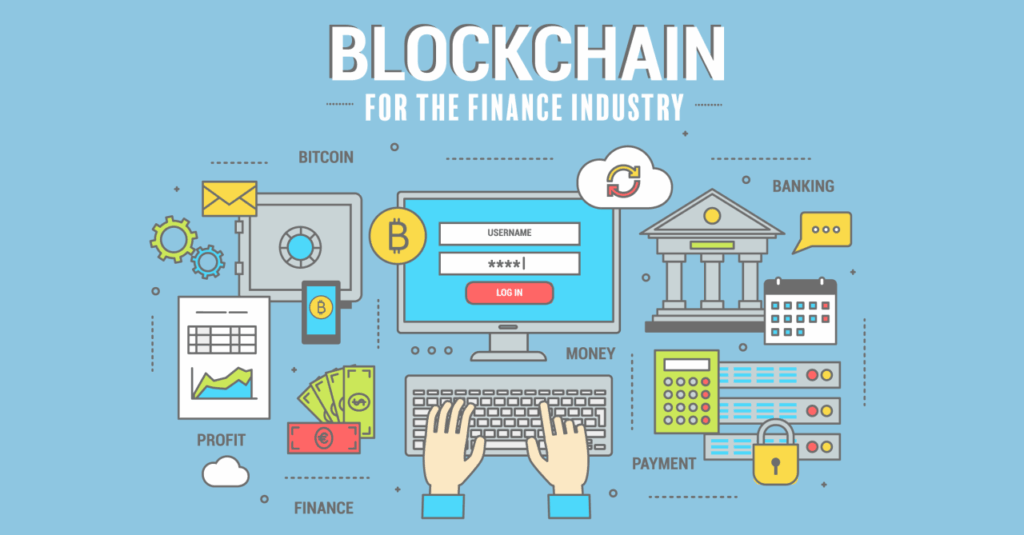
5. Blockchain in Finance: The Foundation of a Decentralized Economy
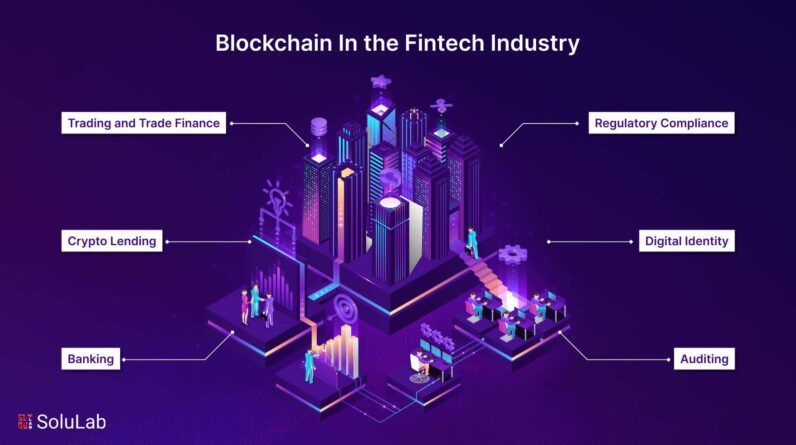
The financial industry is one of the earliest and biggest adopters of blockchain technology. Banks, fintech startups, and payment platforms are using decentralized ledgers to improve transaction speed, reduce fraud, and lower operational costs. Smart contracts automate loan approvals, insurance claims, and cross-border transfers — removing intermediaries and enhancing efficiency in the global financial ecosystem.
6. Decentralized Finance (DeFi) and Tokenization of Assets
DeFi platforms are reshaping traditional banking by enabling users to earn interest, borrow, and invest without centralized institutions. In 2025, the tokenization of real-world assets such as real estate, bonds, and art is unlocking new liquidity opportunities. Investors can now buy fractional shares of expensive assets using blockchain tokens, democratizing access to wealth creation.
7. Blockchain for Financial Inclusion and Global Payments
Blockchain is also bridging the gap for unbanked populations, especially in developing countries. Through digital wallets and cryptocurrency-based payment systems, individuals can access secure financial services without traditional bank accounts. This innovation promotes financial inclusion, boosts economic participation, and supports sustainable development goals globally.
8. The Synergy Between Blockchain and Artificial Intelligence (AI)
The combination of blockchain and AI is accelerating innovation in every industry. AI enhances blockchain networks by predicting security threats, optimizing transactions, and managing data analytics. In turn, blockchain ensures the integrity and transparency of AI-driven processes. Together, they create a future of smarter, more secure systems across education, healthcare, and finance.
9. Challenges and Opportunities Ahead
Despite its potential, blockchain adoption still faces regulatory uncertainty, technical complexity, and integration challenges with legacy systems. However, as governments and corporations invest in blockchain research and development, these challenges are being addressed. The long-term opportunity lies in creating a global blockchain infrastructure that supports secure, transparent, and efficient data sharing across sectors.
Conclusion
Blockchain is no longer just a buzzword — it’s the backbone of the digital revolution across education, healthcare, and finance. From transparent academic credentials to secure patient data and borderless financial transactions, blockchain is redefining how trust is built in a digital economy. As we move deeper into 2025, industries that embrace blockchain will lead the world in innovation, efficiency, and economic growth.